Disclosure: This article contains affiliate links. If you purchase through them, we may earn a commission at no extra cost to you. We only recommend products we have genuinely reviewed and believe in.
From the first Halloween candy bowl to the last New Year's toast, the holiday season is one long invitation to over-indulge. And most of us accept it. The question isn't whether you'll enjoy the food — you should — it's whether you can get to January without undoing months of progress.
The good news: you can. You don't need to white-knuckle your way through every party or bring a sad container of plain chicken to Thanksgiving. You just need a plan.
The Short Answer
You can enjoy the holidays without gaining weight by managing the spaces between the feasts, not the feasts themselves. Eat balanced meals before parties so you don't arrive starving, use simple portion control at the table, and lean on light, nutrient-dense meals (like green smoothies) on the days in between to keep your weekly calorie balance in check.
Why the Holidays Are a Weight-Loss Minefield
The numbers are sobering. Research suggests the average person gains 1 to 2 pounds across the holiday season — and while that sounds small, two things make it a bigger problem than it looks:
- People who are already overweight tend to gain more — often closer to 5+ pounds.
- Most people never lose it again. That holiday pound or two becomes permanent, and it quietly compounds year after year. A decade of "just a couple pounds" is how a lot of long-term weight gain actually happens.
It's easy to see why. In the US, the season runs from October through January, and the individual meals are enormous. A single Thanksgiving dinner is commonly estimated at around 3,000 calories — and that's before the appetizers, drinks, and leftovers. For most people, that one meal is roughly double a normal day's intake.
The mistake isn't enjoying that meal. The mistake is treating the entire two-month stretch as one continuous feast. The science of weight management is simple at its core: it comes down to your overall calorie balance over time, not any single plate. Win the in-between days and the occasional 3,000-calorie dinner barely matters.
How to Enjoy the Holidays Without the Weight Gain
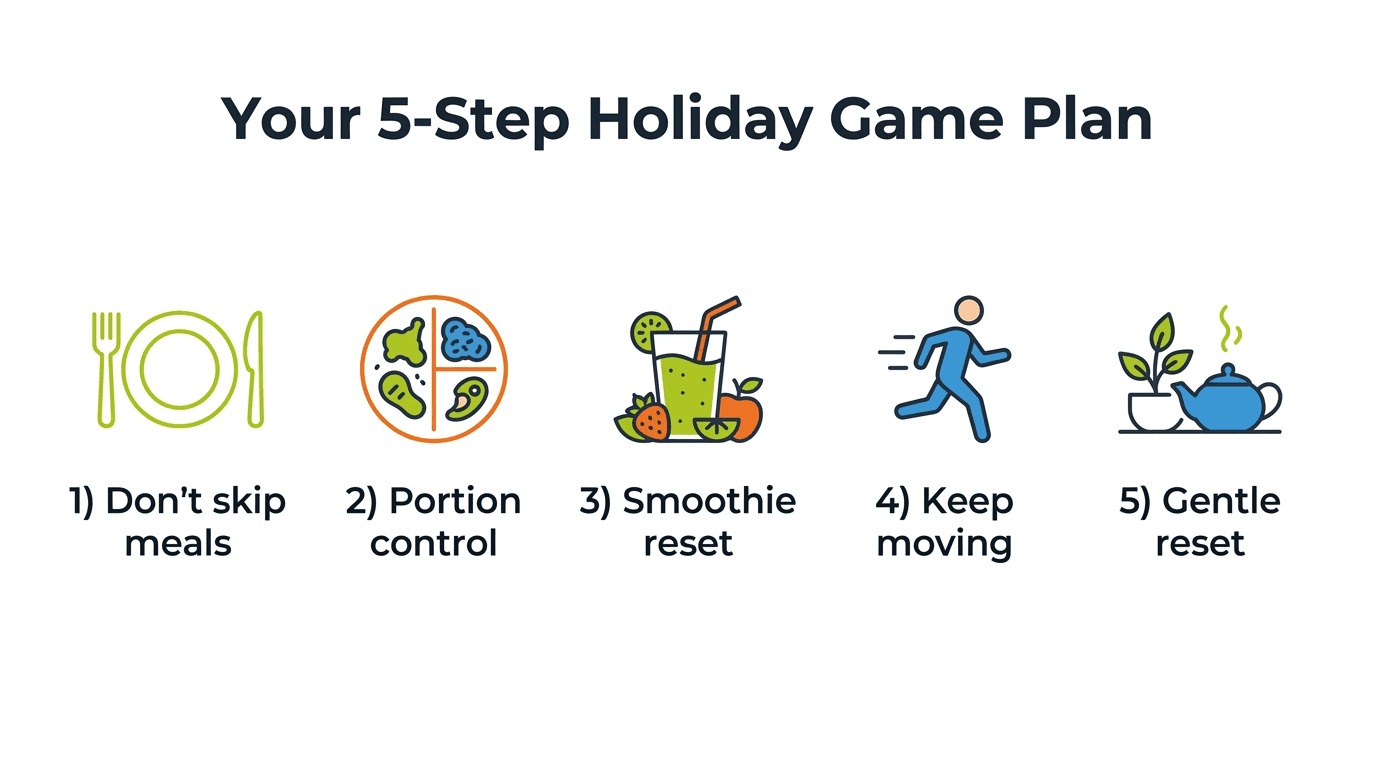
1. Don't Skip Meals Before a Party
It feels logical to "save up" calories by skipping breakfast and lunch before a big dinner. In practice, it backfires. Arriving ravenous makes you eat faster, choose worse, and overshoot before your brain registers fullness.
Instead, eat normal, balanced meals on party days — ideally something high in protein and fiber a couple of hours beforehand. A light, fiber-rich meal takes the edge off your appetite so you can enjoy the event without inhaling the entire cheese board.
2. Master Portion Control
You don't have to skip the pie or the decadent dip. Deprivation is what triggers the binge. The goal is to sample, not abstain.
- Make yourself one small plate instead of grazing continuously over the table all night.
- Take a few bites of the foods you genuinely love and skip the ones you don't care about.
- Slow down and actually taste what you're eating — satisfaction comes from flavor, not volume.
Pro Tip
Use a smaller plate at buffets. It's a well-documented behavioral nudge: the same amount of food looks more generous on a smaller plate, and you'll naturally serve yourself less without feeling restricted.
3. Use Smoothies to Rebalance Between Feasts
This is the lever most people miss. The festivities themselves are unavoidable calorie spikes — so the way you eat between them is what decides the outcome.
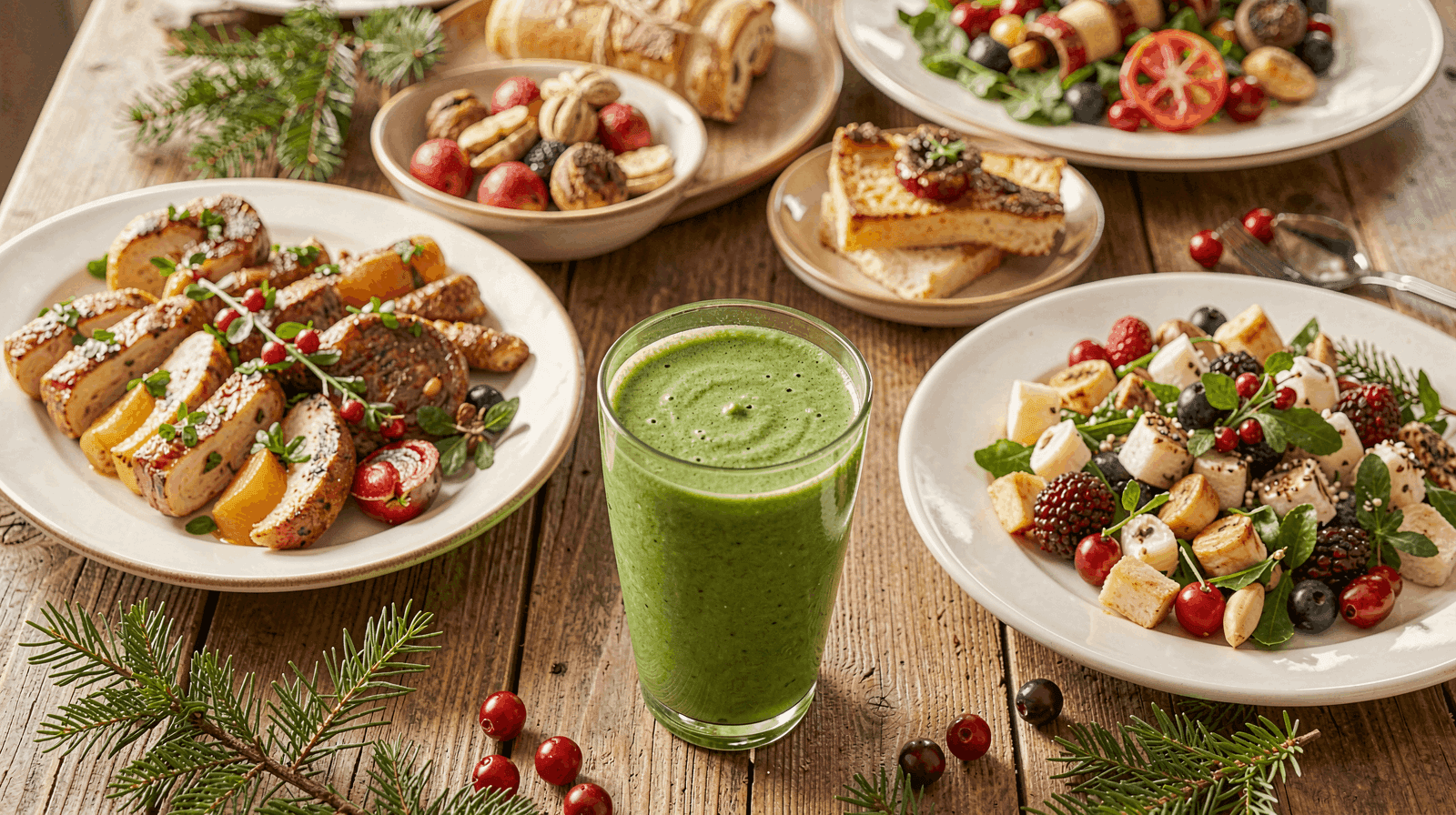
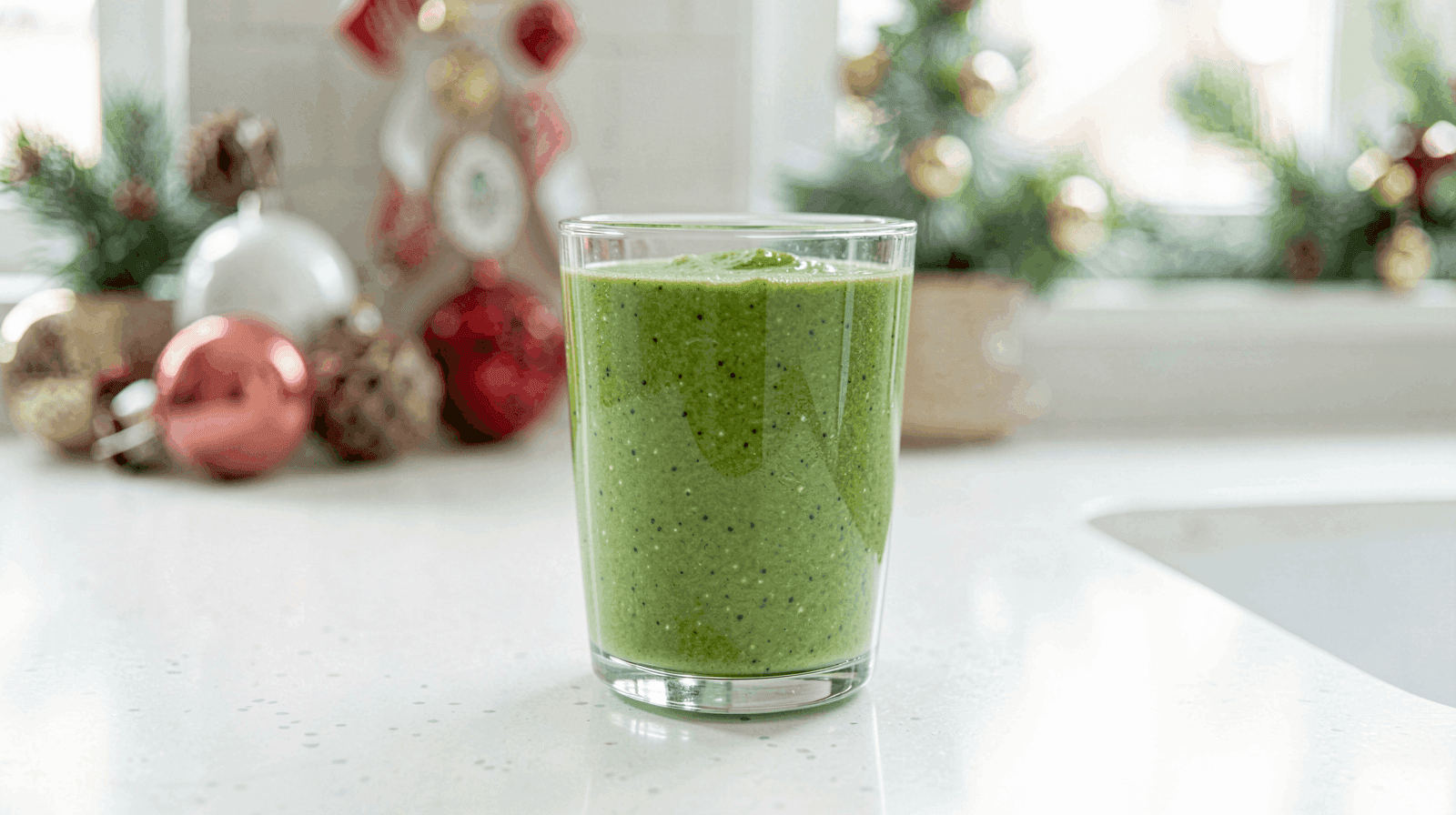
On non-party days, swap a heavy meal for a nutrient-dense green smoothie. Blended greens, fruit, fiber and a little healthy fat give your body the vitamins and volume it's missing during a season of rich, processed food, while keeping the day's calories naturally low — without leaving you hungry. It's the simplest way to "make room" for the next celebration.
4. Keep Moving
You won't out-exercise a 3,000-calorie dinner, and that's not the point. Movement during the holidays is about blunting blood-sugar spikes and protecting your routine. A 15-minute walk after a big meal genuinely helps your body process the glucose, and staying active keeps you from sliding into full hibernation mode until spring.
5. Do a Gentle Reset Between Events
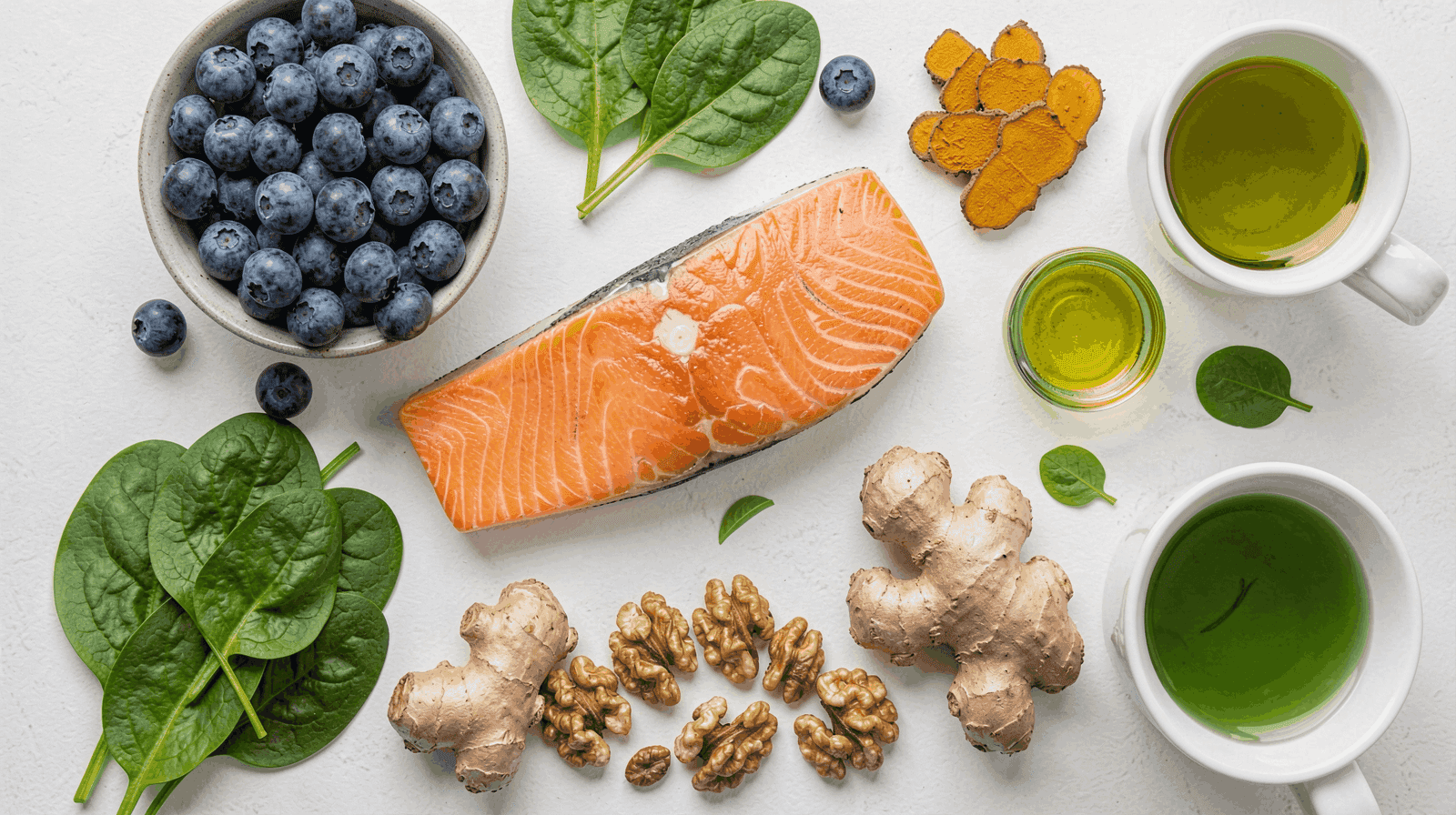
After a particularly indulgent stretch, give your body a lighter day or two: more water, more vegetables and fruit, fewer refined carbs and less alcohol. This isn't a punishing "detox" — it's just returning to baseline. If you've also been eating a lot of rich, processed holiday food, leaning on anti-inflammatory foods for a couple of days can help you feel less bloated and sluggish.
Want the between-feasts plan done for you?
The Smoothie Diet is a structured 21-day system of nutrient-dense smoothies — the perfect reset to run between holiday events. Day-by-day plan, 36+ recipes, and a 60-day money-back guarantee.
See The Smoothie Diet →Putting It All Together
Holiday weight gain isn't caused by the turkey, the pie, or the eggnog. It's caused by eight straight weeks of treating every day like a feast. Enjoy the celebrations fully — then let your ordinary days do the quiet work of keeping your weekly balance in check.
If you want a structured way to handle those ordinary days, our full review of The Smoothie Diet breaks down exactly how a short smoothie-based reset works. And if you're thinking about your overall approach for the new year, start with the fundamentals in our guide to the science of sustainable weight loss.
Disclaimer: This article is for informational purposes only and is not medical advice. Results vary. Consult your healthcare provider before starting any new diet, especially if you have a medical condition or are pregnant or breastfeeding.
Frequently Asked Questions
- Q
How much weight does the average person gain over the holidays?
Research suggests most people gain 1–2 pounds across the holiday season. The bigger issue is that this weight is rarely lost again, so it compounds year over year. People who are already overweight tend to gain more.
- Q
Should I skip meals before a big holiday dinner?
No. Skipping meals usually backfires — you arrive overly hungry and overeat. Eat normal, balanced meals on party days, ideally something high in protein and fiber a couple of hours before the event.
- Q
Can green smoothies really help with holiday weight management?
They help most as a tool for the days between celebrations. Swapping one heavy meal for a nutrient-dense green smoothie keeps your overall weekly calories in check while giving your body the fiber and micronutrients it's missing during a season of rich food.
- Q
Is it possible to actually lose weight over the holidays?
Yes, though maintaining is a more realistic goal for most people. If you keep your non-party days light and active, the occasional big meal won't derail you — and some people do come out ahead.