
Intermittent fasting has taken the health world by storm, with One Meal a Day (OMAD) representing its most extreme form. But here's where things get controversial: while advocates claim 23 transformative benefits, recent scientific research paints a more complex picture. Some studies suggest OMAD might actually elevate blood pressure and cholesterol levels—the very conditions it's supposed to improve.
What Is OMAD and How Does It Work?
OMAD (One Meal a Day) isn't technically a diet—it's an advanced intermittent fasting protocol where you compress all daily eating into a single 1-2 hour window, followed by 22-23 hours of fasting. Unlike gentler approaches like 16:8 fasting, OMAD triggers powerful metabolic changes by forcing your body to deplete glycogen stores and shift entirely to fat-burning mode.
The science behind it involves metabolic switching: your body transitions from using glucose as fuel to burning stored fat, creating ketosis. This extended fasting period also triggers autophagy, a cellular cleaning process that recycles damaged proteins, viruses, fungi, and even candida.
The 23 Benefits: Too Good to Be True?
Financial and Time-Saving Benefits
When eating just one meal daily, you'll likely save at least $600 monthly on food costs. Beyond the financial benefits, you'll reclaim 1-2 hours daily previously spent on meal prep, cooking, and cleanup.
Digestive and Immune System Improvements
OMAD gives your gallbladder, stomach, pancreas, and large bowel extended rest periods. The autophagy process strengthens immunity by recycling junk proteins and damaged cellular components.
Metabolic and Energy Benefits
Contrary to what you might expect, OMAD practitioners report experiencing tons of physical energy once fully adapted to fat burning. Many also experience improved concentration, elimination of post-meal energy crashes, and even euphoric feelings.
Cardiovascular and Blood Sugar Benefits
Intermittent fasting may improve arterial health more effectively than almost any other intervention. OMAD helps prevent diabetes, improves pre-diabetes and insulin resistance, and can even fix hypoglycemia.
Muscle Preservation
Surprisingly, you won't lose muscle mass on OMAD. Growth hormone—the anti-aging hormone—increases during fasting and has a protective effect against muscle loss.
The Controversial Truth: What Research Actually Shows
The Blood Pressure Paradox
A 2022 study published in Nutrients found that participants following one meal per day actually experienced elevated blood pressure compared to those eating three meals daily. This directly contradicts the promised benefit.
The Cholesterol Concern
The same research showed higher cholesterol levels in OMAD practitioners. While advocates claim heart disease prevention, these elevated cholesterol markers suggest potential cardiovascular risks that need careful monitoring.
The Dropout Rate Nobody Mentions
Studies on OMAD show high dropout rates, particularly for protocols lasting 8+ weeks. This suggests that while short-term adherence might be manageable, the extreme nature of OMAD makes long-term sustainability questionable for most people.
Women's Hormonal Concerns
OMAD can disrupt menstrual cycles and affect reproductive hormones in women. Those trying to conceive should avoid OMAD entirely.
Pro Tip
Who Should (and Shouldn't) Try OMAD
OMAD May Work For You If:
- You have successfully maintained 20:4 fasting for several months
- You prefer one large satisfying meal over multiple smaller ones
- You are under medical supervision with regular monitoring
Choose Less Extreme Methods If:
- You are new to intermittent fasting
- Building muscle is your primary goal
- You are a woman with fertility concerns or menstrual irregularities
How to Start Safely: A Progressive Approach
Never jump directly from three meals to one. Follow this progression:
Weeks 1-2: Start with 16:8 intermittent fasting—fast for 16 hours and eat within an 8-hour window.
Weeks 3-4: Advance to 20:4 fasting with a 20-hour fast and 4-hour eating window.
Week 5+: Only after mastering 20:4 should you attempt OMAD. Start with 2-3 OMAD days per week.
Choose Your Eating Window Strategically:
- Morning (7-9 AM): Best for those working in a fasted state
- Midday (12-2 PM): Ideal for social lunch schedules
- Evening (5-7 PM): Most popular for family dinners
What to Drink During Your Fast
Allowed: Water (8-10 glasses daily), black coffee (no cream or sweeteners), plain tea, sparkling water, zero-calorie electrolyte supplements.
Not Allowed: Any beverage with calories, bulletproof coffee (butter and MCT oil break the fast), protein shakes, juice or smoothies, diet sodas (may trigger insulin response).
Common Mistakes That Sabotage Results
- Starting too aggressively without building up through 16:8 and 20:4 first
- Eating poor quality food filled with processed items and empty calories
- Insufficient protein leading to actual muscle loss despite growth hormone protection
- Ignoring micronutrients by not including diverse, colorful whole foods
- Inadequate hydration during fasting hours
- Skipping electrolytes, especially sodium, potassium, and magnesium
A Typical OMAD Day
6:00 AM — Wake up, drink 16 oz water with pinch of sea salt
7:00 AM — Black coffee or green tea
12:00 PM — Herbal tea, light walk
3:00 PM — Electrolyte water, focus on work
6:00 PM — Start eating your OMAD meal (take 45-60 minutes)
10:00 PM — Bedtime routine
Summary
OMAD offers compelling benefits: time and money savings, improved digestion, immune system strengthening, enhanced mental clarity, and metabolic flexibility. However, research shows OMAD can elevate blood pressure and cholesterol, building muscle proves challenging, dropout rates are high, and women face additional hormonal concerns.
For most people, less extreme fasting methods like 16:8 offer similar metabolic benefits with better long-term adherence, lower risk profiles, and more robust research support.
Frequently Asked Questions
- Q
How much weight can you lose with OMAD?
Typical weight loss ranges from 4-10 pounds over 4-6 weeks, though rapid initial weight loss often includes significant water weight. Sustainable fat loss rates of 1-2 pounds per week are realistic with proper implementation.
- Q
Is OMAD actually healthy?
OMAD can be healthy for some individuals when done properly with nutrient-dense meals and medical supervision. However, research shows it carries risks including elevated blood pressure, higher cholesterol levels, and potential nutritional deficiencies. For most people, less restrictive fasting methods like 16:8 offer better risk-benefit ratios.
- Q
What should you eat on OMAD?
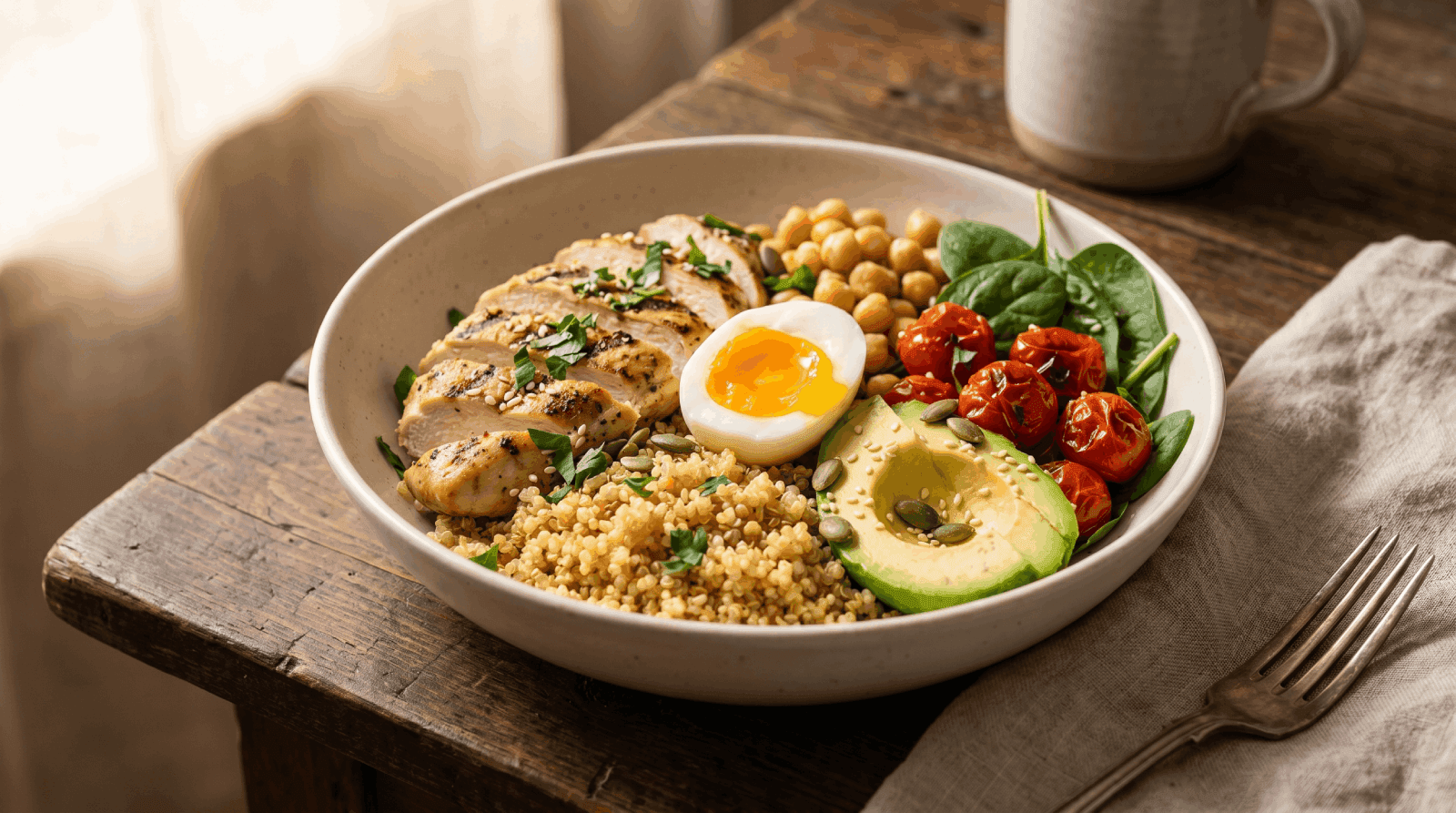
Your OMAD meal should be balanced and nutrient-dense, including 100-130g lean protein, healthy fats (avocado, nuts, olive oil), fiber-rich vegetables (targeting 25-35g fiber), and diverse whole foods to meet micronutrient needs. Your single meal typically needs to contain 1,500-2,000+ calories depending on your size and activity level.
- Q
Can you build muscle on OMAD?
Building muscle on OMAD is challenging but possible with strategic planning. You need adequate protein (100-130g), proper training stimulus (2-3 strength sessions weekly), and timing your workout before your eating window. However, muscle growth will be slower compared to traditional eating patterns.
- Q
Will OMAD make me constantly hungry?
Initially, yes—hunger can be intense. But once you fully adapt to fat burning, hunger dramatically decreases and cravings disappear. This adaptation typically takes 2-4 weeks of consistent practice.
- Q
Is OMAD safe for women?
Women should approach OMAD with extra caution due to hormonal sensitivities. Extended fasting can disrupt menstrual cycles and affect reproductive hormones. Women trying to conceive should avoid OMAD entirely. Many women report better results with less restrictive protocols like 18:6 or 20:4.
- Q
What is autophagy and why does it matter?
Autophagy is your body's cellular cleaning process that recycles damaged proteins, cellular components, and even pathogens like viruses and fungi. This process strengthens immunity, supports anti-aging effects, and improves overall cellular health. OMAD triggers autophagy during the extended fasting period.
- Q
How long should you try OMAD?
If attempting OMAD under medical supervision, start with short trials of 1-2 weeks to assess tolerance. If you tolerate it well, you can extend to 4-6 weeks for specific goals. Extended use beyond 8-12 weeks requires careful medical monitoring due to risks of nutritional deficiencies and metabolic adaptations.